Scegli il tuo piano
Blog GPT-Image-1
Short answer: it depends on your use case, and I don’t have verified information about “Seedream 4.5” or a 2026 “GPT Image 1.5.” My knowledge ends in Oct 2024, so I can’t reliably rank these 2026 versions. Here’s how to decide quickly and safely without relying on unverified claims. What to compare - Image quality and style range: photorealism, illustration, typography, lighting, anatomy, hands/faces. - Prompt adherence and controllability: negative prompts, fine-grained attributes, masks, region edits, outpainting/inpainting, reference-guided generation. - Text in images: legible, spelled correctly, layout fidelity. - Visual understanding (if multimodal): OCR accuracy, chart/table reading, step-by-step reasoning, grounding. - Editing workflow: iterative refinement, reversible edits, consistent characters/products across shots. - Speed and scale: latency at batch sizes you need, throughput, rate limits, cold starts. - Cost: per image/per token, retries, long-context or high-resolution surcharges. - Safety and governance: content filters, bias behavior, watermarking, copyright protections, opt-out/data retention. - Deployment: cloud vs on-prem/edge, region availability, SLAs, version pinning, seed control/reproducibility. - Ecosystem: SDKs, integrations (design tools, 3D, ControlNet-like tools), community models, fine-tuning or LoRA support. A quick bake-off plan (1–2 days) - Define tasks: e.g., product hero shots, marketing banners with text, character-consistent scenes, technical diagrams, photo edits, OCR+reasoning. - Build a small, fixed prompt suite (10–30 prompts) with expected outputs and, if possible, fixed seeds and identical negative prompts/parameters. - Measure: - Automatic: CLIPScore, PickScore, aesthetic predictors; OCR word accuracy on rendered text; color/pose/attribute compliance. - Human: blind A/B(X) voting by 3–5 reviewers for fidelity, appeal, and prompt-following. - Robustness: multilingual prompts, long prompts, typos, low-light scenes, tiny text, overlapping objects. - Ops: average/95th percentile latency, failure rate/timeouts, cost per accepted image. - Record reproducibility: version IDs, seeds, exact parameters, API regions. Rules of thumb by use case - Marketing/brand visuals with text: favor the model that reliably renders clean typography and preserves brand colors/layouts. - Photoreal product shots and people: choose the model with fewer anatomical artifacts and better lighting/shadow coherence. - Precise edits and consistency: prioritize strong inpainting/masking and reference-based control; test character/product consistency across 5–10 images. - Charts, docs, OCR+reasoning: pick the model with higher OCR accuracy and fewer hallucinations in visual Q&A. If you can share: - Your primary tasks (generation, editing, or vision understanding) - Target styles (photoreal, flat illustration, 3D, typographic) - Volume/latency and budget constraints - Deployment needs (on-prem/compliance) I can suggest a tailored head-to-head prompt suite and scoring sheet you can run in a few hours to determine which is better for you.
GPT Image 1.5 (OpenAI, dic 2025) si distingue per una generazione 4× più veloce (5–15 secondi), punteggi LM Arena ELO di prim’ordine (~1,264–1,285) e una superiore capacità di seguire le istruzioni per l’editing. Seedream 4.5 (ByteDance, dic 2025) eccelle nella tipografia, nella risoluzione 4K, nella coerenza tra più immagini (fino a 14 riferimenti) e in un prezzo fisso di $0.04/immagine. Scegli GPT Image 1.5 per velocità e versatilità; Seedream 4.5 per lavori commerciali ad alto contenuto di design. Entrambi sono accessibili a costi contenuti tramite la piattaforma unificata di **CometAPI**, con risparmi del 20%+ e integrazione con una singola chiave.
Le migliori API di IA per il 2026: GPT-5.2, GPT Image 1.5, Sora 2 e Veo 3.1 spiegate
Nel 2026, le principali e migliori API di IA sono GPT-5.2, GPT Image 1.5, Sora 2 e Veo 3.1. Imparerai che cosa fa ciascuna API, dove funziona meglio, nonché esempi pratici di utilizzo. L'IA non si concentra più su un singolo compito. Gli strumenti più efficaci combinano la generazione di testo, immagini e video, rendendo la produzione di contenuti più rapida e coerente.
GPT Image 1.5 contro Nano Banana Pro: Qual è il migliore?
GPT Image 1.5 di OpenAI e Nano Banana Pro di Google/DeepMind (parte della famiglia di immagini Gemini) — sono posizionati come rivali diretti: entrambi puntano a una generazione ad alta fedeltà, a una maggiore aderenza alle istruzioni e a suite di strumenti professionali per l'editing. OpenAI enfatizza la velocità, l'aderenza alle istruzioni e un'integrazione più stretta con ChatGPT; Google si concentra su controlli di livello da studio (fotocamera, illuminazione, rendering del testo multilingue) e sull'integrazione del prodotto tra Gemini e Ads.
Quante immagini posso generare con ChatGPT Plus? — un rapporto sullo stato nel 2026
Puoi generare immagini con ChatGPT Plus; la generazione di immagini è disponibile per gli account Free, Plus e altri tipi di account e il prodotto si sta evolvendo rapidamente; report indipendenti e test della community nel periodo 2024–2025 riportano costantemente limiti di frequenza a finestra mobile nell’ordine di ~40–50 prompt per finestra di 3 ore (circa 200/giorno con tempistiche ideali) per gli utenti Plus, mentre i piani Enterprise/Biz possono avere contingenti di immagini molto più elevati o di fatto illimitati.
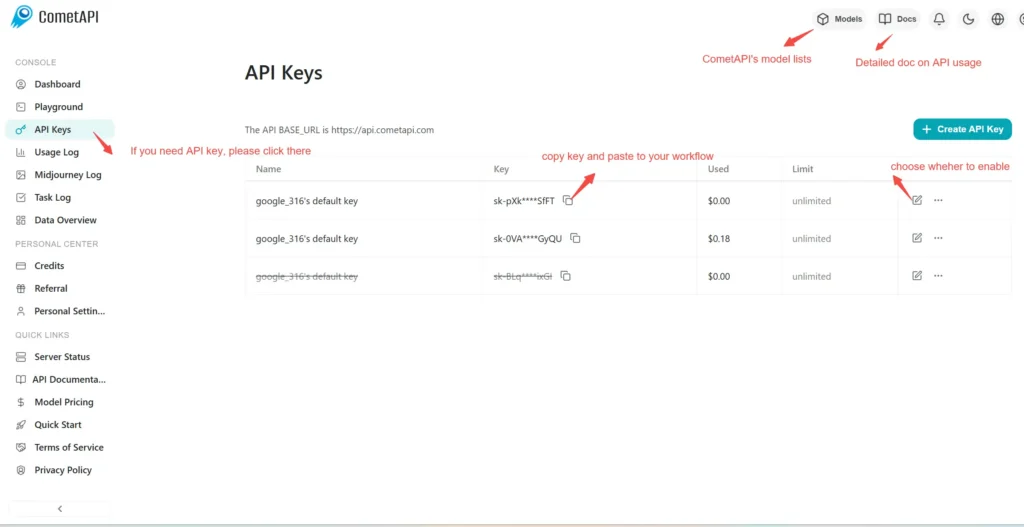
API gpt-image-1-mini
gpt-image-1-mini è un modello di immagine multimodale e a costi ottimizzati di OpenAI che accetta input di testo e immagini e produce output di immagini. Si posiziona come un modello più piccolo ed economico della famiglia completa GPT-Image-1 di OpenAI, progettato per l'uso in produzioni ad alto rendimento in cui costi e latenza rappresentano vincoli importanti. Il modello è progettato per attività come la generazione di testo in immagini, l'editing/inpainting di immagini e flussi di lavoro che incorporano immagini di riferimento.
Quanto tempo impiega ChatGPT a creare un'immagine?
La generazione di immagini artificiali è una delle funzionalità in più rapida evoluzione nell'IA generativa odierna. Sviluppatori e creatori si pongono regolarmente la stessa domanda pratica: "Quanto tempo impiegherà ChatGPT per ottenere la mia immagine?". La risposta semplice è: dipende dal modello utilizzato, dal percorso API o UI, dalle dimensioni/qualità dell'immagine, dal carico simultaneo presso il provider, dai controlli di moderazione e sicurezza e dalle scelte di rete/implementazione. Di seguito analizzo queste variabili, riassumo i valori di latenza (reali) tipici dei principali modelli di immagini OpenAI, spiego le cause dei rallentamenti e mostro schemi di codice pratici per gestire la latenza.
Qual è la migliore intelligenza artificiale per l'editing delle immagini nel 2025?
L'intelligenza artificiale per l'editing delle immagini si è trasformata da un semplice giocattolo a un vero e proprio strumento di flusso di lavoro in pochi mesi, non anni. Se hai bisogno di rimuovere sfondi, scambiare volti, preservare un personaggio
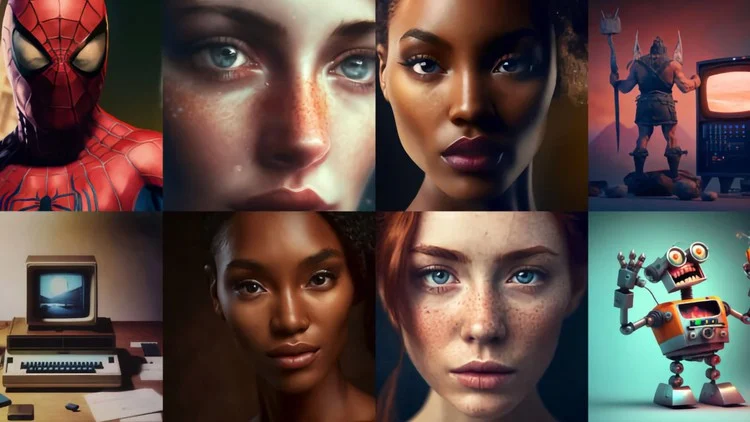
Quali sono i migliori generatori di immagini basati sull'intelligenza artificiale? (A luglio 2025)
I generatori di immagini AI sono diventati strumenti indispensabili per artisti, designer, addetti al marketing e ricercatori, trasformando i prompt di testo in immagini vivide in