
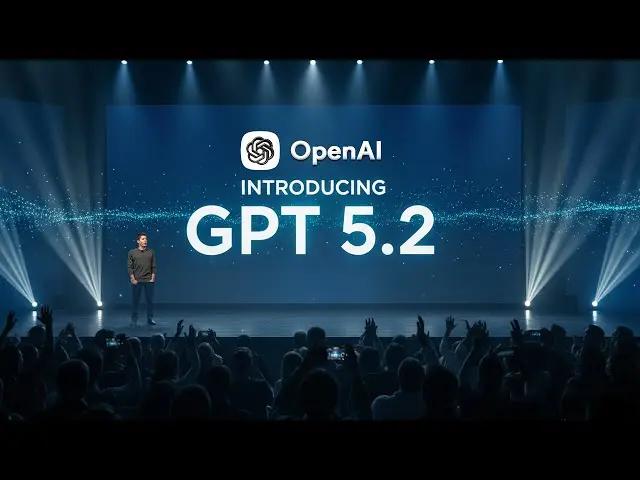
OpenAI’s GPT-5.2 là tên được sử dụng trên báo chí và trong các vòng tròn ngành để chỉ một bản nâng cấp ngắn hạn cho họ mô hình GPT-5 đang vận hành ChatGPT và nhiều API dành cho nhà phát triển. Khác với các bản phát hành điểm trước đây vốn giới thiệu tính năng hướng người dùng hoặc công cụ (ví dụ các cải tiến về hội thoại và tùy biến của GPT-5.1), GPT-5.2 được mô tả là một bản phát hành đặt hiệu năng lên hàng đầu: tập trung vào suy luận thô, độ tin cậy, khả năng phản hồi và các sửa chữa kiến trúc nhằm khép lại những khoảng trống lộ ra trước các bước tiến gần đây của đối thủ.
Chính xác GPT-5.2 là gì?
Bản cập nhật có trọng tâm, không phải tái tạo từ đầu
Theo nhiều trang công nghệ và các rò rỉ trong ngành, GPT-5.2 là một bước tiến mang tính tăng dần nhưng tập trung của họ GPT-5 từ OpenAI. Trọng tâm của 5.2 được cho là củng cố các năng lực cốt lõi — suy luận nhanh hơn, xử lý đa phương thức tốt hơn (văn bản + hình ảnh + các loại phương tiện khác), giảm ảo giác và cải thiện độ ổn định khi đồng thời tải nặng — hơn là giới thiệu một khả năng mới hào nhoáng duy nhất. Nhiều nguồn mô tả đây là một bản phát hành mang tính khẩn cấp, chiến thuật nhằm đóng khoảng cách hiệu năng do các mô hình đối thủ gây ra.
Vị trí của nó trên bản đồ phiên bản
Hãy nghĩ về GPT-5.2 như cách các đội phần mềm phát hành bản điểm (như v5.1 → v5.2) sau một cột mốc lớn: nó giữ nguyên kiến trúc và xương sống huấn luyện lớn của GPT-5 trong khi đưa vào các tối ưu hóa, tinh chỉnh quy trình fine-tuning và các cải tiến ở cấp hệ thống (pipeline huấn luyện/triển khai, giảm độ trễ, các bản vá an toàn và điều chỉnh). Cách tiếp cận này cho phép kỹ sư nhanh chóng mang lại các lợi ích UX đo được mà không cần hàng tháng hay hàng năm để nghiên cứu và huấn luyện một họ mới hoàn toàn.
Trải nghiệm người dùng sẽ thay đổi như thế nào (ChatGPT và API dành cho nhà phát triển)?
- Phản hồi nhanh hơn cho các truy vấn thường lệ thông qua tối ưu kỹ thuật và có thể là một tuyến suy luận “Instant” quyết liệt hơn.
- Đầu ra đáng tin cậy hơn trên các tác vụ suy luận sâu — ít nhảy cóc logic, giải pháp từng bước tốt hơn, cải thiện xử lý chuỗi suy luận khi cần.
- Cải thiện chất lượng mã: ít lỗi cú pháp hơn, hiểu tốt hơn các bối cảnh gỡ lỗi phức tạp và chính xác hơn với các thay đổi đa tệp (dựa trên xu hướng của dòng GPT-5).
GPT-5.2 sẽ mang đến những tính năng và cải tiến gì mới?
Những cải tiến nổi bật là gì?
Một tập hợp các cải tiến được ưu tiên thay vì một danh sách tính năng đồ sộ:
- Suy luận nhanh hơn và độ trễ thấp hơn: Tối ưu trong pipeline mô hình và ngăn xếp suy luận nhằm cắt giảm thời gian phản hồi và tăng tốc các chuỗi suy luận nội bộ.
- Hiệu năng đa phương thức mạnh hơn: Căn chỉnh tốt hơn giữa đầu vào văn bản, hình ảnh và các phương tiện khác để mô hình suy luận chính xác hơn khi prompt kết hợp nhiều phương thức.
- Giảm ảo giác và cải thiện độ tin cậy: Kỹ thuật và fine-tuning nhằm giảm lỗi thực tế trên các tác vụ suy luận và tri thức phức tạp.
- Tinh chỉnh ngữ cảnh và bộ nhớ: Tăng khả năng xử lý cửa sổ ngữ cảnh hiệu quả và hành vi ổn định hơn trong các đối thoại dài, phức tạp.
- Khả năng chịu tải ở quy mô: Gia cố trước các prompt cạnh biên và cải thiện thông lượng cho người dùng doanh nghiệp/trả phí.
GPT-5.2 được thiết kế để củng cố độ tin cậy và tốc độ — những cải tiến quan trọng với người dùng hàng ngày và doanh nghiệp.
Về mặt kỹ thuật, suy luận sẽ thay đổi thế nào?
Ở cấp độ cao, các cải tiến có thể đến từ vài đòn bẩy kỹ thuật:
- Fine-tuning trên các bộ dữ liệu suy luận chất lượng cao và prompt đối kháng để giảm câu trả lời giòn.
- Các tinh chỉnh kiến trúc nhỏ (cải tiến attention, định tuyến động cho ngữ cảnh dài hơn) mang lại sự mạch lạc tốt hơn cho chuỗi suy luận mà không cần phóng to mạng đáng kể.
- Tối ưu suy luận như batching nhanh hơn, chiến lược lượng tử hóa hoặc lập lịch phần cứng để hạ độ trễ thời gian thực.
- Các lớp căn chỉnh hậu xử lý để lọc hoặc tái trọng số đầu ra khi mô hình thể hiện mức tự tin thấp.
GPT-5.2 nhấn mạnh “suy luận thông minh hơn” và “ít trục trặc hơn” thay vì một cuộc cách mạng thuật toán duy nhất; phù hợp với chiến lược nâng cấp theo phiên bản điểm.
Còn về đa phương thức và mã nguồn?
GPT-5 đã có bước tiến trong sinh mã và tổng hợp đa phương thức; 5.2 có vẻ tiếp tục xu hướng đó với các lợi ích tập trung:
- Độ trung thực đa phương thức: đối chiếu tốt hơn giữa đầu vào hình ảnh và văn bản, cải thiện hiệu năng trên các tác vụ như suy luận thị giác, chú thích và sinh mã có nhận thức hình ảnh.
- Độ tin cậy của mã: giảm lỗi cú pháp/ngữ nghĩa trong mã sinh ra, gợi ý gỡ lỗi tốt hơn và cải thiện xử lý các kho mã lớn cùng đồ thị phụ thuộc phức tạp.
Những điều này phù hợp với câu chuyện rằng 5.2 là về đánh bóng các tính năng nơi người dùng mong đợi độ tin cậy hàng ngày.
Người dùng và nhà phát triển nên kỳ vọng những gì?
Đối với người dùng cuối: chất lượng, tốc độ và đầu ra ổn định hơn
Người dùng cuối sẽ chủ yếu nhận thấy:
- Phản hồi nhanh hơn cho cùng prompt — mô hình cảm giác “mượt” hơn.
- Câu trả lời đúng và nhất quán hơn cho các truy vấn suy luận phức tạp và prompt đa phương thức.
- Ít “Tôi không biết” hoặc ảo giác tự tin sai trong các bối cảnh đòi hỏi tri thức chuyên sâu.
Các lợi ích UX mang tính thực dụng: nếu công việc của bạn phụ thuộc vào một trợ lý phải suy luận, tóm tắt hoặc sinh mã chạy được một cách đáng tin cậy, đây chính là những cải tiến quan trọng nhất. BGR+1
Đối với nhà phát triển: API, độ trễ và lựa chọn mô hình
Các nhà phát triển và đội sản phẩm có thể kỳ vọng:
- Một bí danh mô hình mới trong API (ví dụ
gpt-5.2hoặc biến thể), với SLA hiệu năng cập nhật cho các gói trả phí. - Cải thiện độ trễ và thông lượng, cho phép nhiều luồng tương tác đồng bộ hơn (độ trễ đuôi thấp quan trọng với ứng dụng chat và UI tương tác).
- Tương thích với prompt và wrapper hiện có, nhưng sẽ có khuyến nghị tinh chỉnh prompt và thực hành tốt mới được công bố kèm theo bản phát hành.
- Khả năng thay đổi giá/chi phí tính toán (hoặc chi phí mỗi token tốt hơn nhờ hiệu suất, hoặc phân tầng mới phản ánh hiệu năng cao cấp).
Về vận hành, các công ty tích hợp mô hình ngôn ngữ lớn có lẽ sẽ thử nghiệm 5.2 trên môi trường staging để đo lường khác biệt thực tế về độ trễ, tỷ lệ ảo giác và tổng chi phí; bản cập nhật này nhắm đến việc bảo toàn sức cạnh tranh sản phẩm — tức làm ChatGPT nhanh và đáng tin cậy hơn trong môi trường sản xuất.
Dành cho đội sản phẩm và đơn vị tích hợp
- Giảm ma sát lên sản xuất: độ ổn định và độ trễ tốt hơn giảm gánh nặng kỹ thuật của việc giới hạn tốc độ và logic retry.
- Ít sự cố “ảo giác” hơn trong các thiết lập tăng cường truy hồi, giúp pipeline dựa trên LLM (tìm kiếm + LLM + gọi công cụ) dự đoán được hơn.
- Các đánh đổi chi phí/hiệu năng tiềm năng: nếu GPT-5.2 mang lại chất lượng tốt hơn với chi phí tính toán tương tự hoặc thấp hơn, doanh nghiệp có ROI tức thì; nếu chất lượng cải thiện đi kèm chi phí suy luận cao hơn, khách hàng sẽ cân nhắc lợi ích so với ngân sách. Tin tức cho thấy OpenAI đang nhấn mạnh cả cải tiến hiệu suất lẫn năng lực thô.
Dành cho nhà phát triển xây dựng hệ thống agentic hoặc công cụ kiểu Copilot
Kỳ vọng khả năng gọi công cụ và hỗ trợ gỡ lỗi mạnh mẽ hơn. Dòng GPT-5 đã được định vị mạnh mẽ cho cộng tác mã; một bản 5.2 tập trung vào mã, suy luận và ít lỗi logic hơn sẽ trực tiếp có lợi cho các framework tác tử, sinh mã và orchestration nhiều bước. Các tích hợp GPT-5.1 trước đây của GitHub vào Copilot cho thấy cách cải tiến mô hình của OpenAI lan tỏa vào công cụ dành cho nhà phát triển.
Ngày phát hành GPT 5.2: Cuộc phản công bắt đầu
Sam Altman đã công bố “Code Red”, với đội kỹ thuật làm việc liên tục trong 72 giờ để lặp nhanh trên GPT-5.2. Trong email nội bộ, Altman thừa nhận: “Tăng trưởng người dùng của Gemini vượt kỳ vọng, chúng ta phải tăng tốc.” GPT-5.2 đạt 94,2% trên benchmark MMLU-Pro, vượt Gemini 3 Pro ở mức 91,4%. Tỷ lệ ảo giác giảm xuống 1,1%, ngữ cảnh dài hỗ trợ 1,5 triệu token, và được tối ưu cho việc ra quyết định doanh nghiệp.
Ban đầu dự kiến phát hành vào cuối tháng 12, GPT-5.2 đã được đẩy lên ngày 9 tháng 12, đánh dấu cuộc phản công chính thức đầu tiên của OpenAI chống lại Gemini 3.
Vì sao vội vã phát hành một bản điểm thay vì kiên nhẫn xây dựng GPT-6? Câu trả lời mang tính thực dụng:
- Giữ chân người dùng phụ thuộc vào năng lực cảm nhận. Những tụt hậu nhỏ nhưng dễ thấy so với đối thủ nhanh chóng làm giảm mức độ gắn bó, ngay cả khi ranh giới nghiên cứu cơ bản chưa dịch chuyển.
- Khách hàng doanh nghiệp đòi hỏi độ tin cậy. Với các doanh nghiệp đã tích hợp ChatGPT vào quy trình, mức tăng nhỏ trong độ trễ và độ chính xác chuyển thành ít sự cố hỗ trợ hơn và ROI cao hơn.
- Tín hiệu thị trường là quan trọng. Phát hành bản 5.2 được cải thiện là tín hiệu rõ ràng cho khách hàng, đối tác và nhà đầu tư rằng OpenAI đang lặp nhanh để giữ cho sản phẩm cạnh tranh.
Tóm lại: sửa chữa trải nghiệm hàng ngày (tốc độ, ít ảo giác hơn, xử lý đa phương thức tốt hơn) giúp gia tăng niềm tin của người dùng và đạt trạng thái cân bằng cạnh tranh nhanh hơn một chu kỳ R&D dài cho một mô hình thế hệ mới lớn.
Kết luận — GPT-5.2 đại diện cho điều gì trong bức tranh AI lớn hơn
GPT-5.2 là một bản phát hành chiến lược: bản cập nhật tăng tốc, tập trung vào hiệu năng nhằm củng cố sức cạnh tranh sản phẩm của OpenAI sau khi các đối thủ có bước tiến đáng kể. Nó không được giới thiệu như một phương thức mới ngoạn mục mà là sự khẳng định lại các năng lực cốt lõi — suy luận tốt hơn, phản hồi nhanh hơn và độ tin cậy cao hơn. GPT-5.2 cho thấy cuộc đua dẫn đầu trong ngành AI đã dịch chuyển từ các mô hình chỉ “to hơn” sang kỹ nghệ “thông minh, hiệu quả và đáng tin cậy” hơn: kết quả tốt hơn trên mỗi đơn vị compute và hành vi tốt hơn trong triển khai thực tế.
Để bắt đầu, hãy khám phá khả năng của các mô hình GPT-5.2 (GPT-5.2;GPT-5.2 pro, GPT-5.2 chat) trong Playground và tham khảo API guide để biết hướng dẫn chi tiết. Trước khi truy cập, vui lòng đảm bảo bạn đã đăng nhập CometAPI và lấy API key. CometAPI cung cấp mức giá thấp hơn nhiều so với giá chính thức để giúp bạn tích hợp.
Ready to Go?→ Dùng thử miễn phí các mô hình gpt-5.2 !
Nếu bạn muốn biết thêm mẹo, hướng dẫn và tin tức về AI, hãy theo dõi chúng tôi trên VK, X và Discord!