Choose your path
GPT-Image-1 Blog
GPT Image 1.5 vs Seedream 4.5: which is Better in 2026
GPT Image 1.5 (OpenAI, Dec 2025) leads with 4× faster generation (5–15 seconds), top-tier LM Arena ELO scores (~1,264–1,285), and superior instruction-following for editing. Seedream 4.5 (ByteDance, Dec 2025) excels in typography, 4K resolution, multi-image consistency (up to 14 references), and flat $0.04/image pricing. Choose GPT Image 1.5 for speed and versatility; Seedream 4.5 for design-heavy commercial work. Both are accessible affordably via **CometAPI**’s unified platform for 20%+ savings and single-key integration.
Best AI APIs for 2026: GPT-5.2, GPT Image 1.5, Sora 2, and Veo 3.1 Explained
In 2026, leading and Best AI APIs is GPT-5.2, GPT Image 1.5, Sora 2, and Veo 3.1. You will learn what each API does, where it works best, and practical examples of use. AI no longer focuses on a single task. The most effective tools combine text, image, and video generation, making content production faster and more consistent.
GPT Image 1.5 vs Nano Banana Pro: Which is Better
OpenAI’s GPT Image 1.5 and Google/DeepMind’s Nano Banana Pro (part of the Gemini image family) — are positioned as direct rivals: both push for high-fidelity generation, stronger instruction-following, and professional editing toolsets. OpenAI emphasizes speed, instruction-adherence and tighter integration with ChatGPT; Google focuses on studio-grade controls (camera, lighting, multilingual text rendering) and product integration across Gemini and Ads.
How many images can I generate with ChatGPT Plus? — a 2026 status report
you can generate images with ChatGPT Plus, image generation is available to Free, Plus and other account types and that the product is evolving rapidly; independent reports and community testing over 2024–2025 consistently report rolling-rate limits in the neighborhood of ~40–50 prompts per 3-hour window (roughly 200/day under ideal timing) for Plus users, while Enterprise/Biz plans can have far higher or effectively unlimited image allowances.
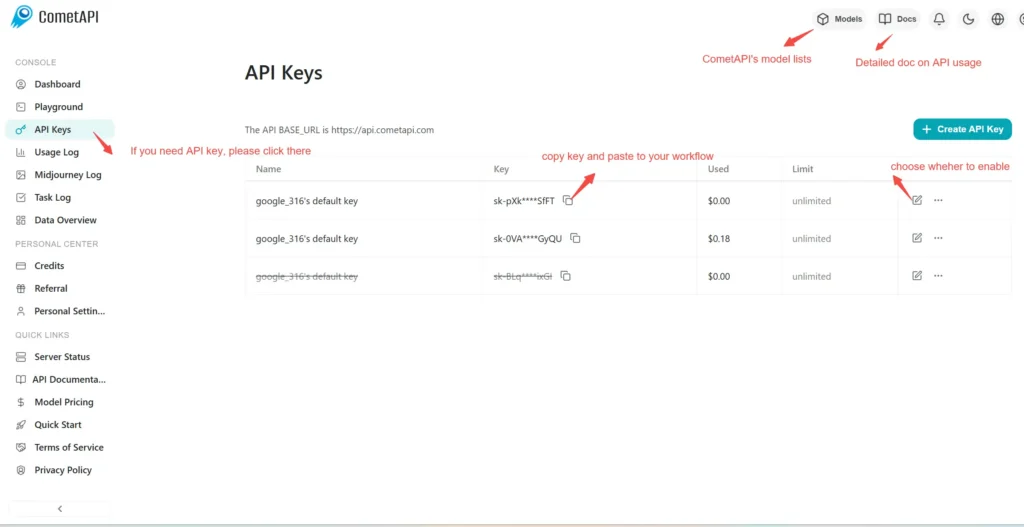
gpt-image-1-mini API
gpt-image-1-mini is a cost-optimized, multimodal image model from OpenAI that accepts text and image inputs and produces image outputs. It is positioned as a smaller, cheaper sibling to OpenAI’s full GPT-Image-1 family — designed for high-throughput production use where cost and latency are important constraints. The model is intended for tasks such as text-to-image generation, image editing / inpainting, and workflows that incorporate reference imagery.
How Long does ChatGPT Take to Create an Image
Artificial image generation is one of the fastest-moving features in generative AI today. Developers and creators routinely ask the same practical question: “how long will ChatGPT take to get my image?” The simple answer is: it depends — on the model you use, the API or UI path, image size/quality, concurrent load at the provider, moderation and safety checks, and network/implementation choices. Below I unpack those variables, summarize what the major OpenAI image models typically deliver in (real-world) latency ranges, explain what causes slowdowns, show practical code patterns to manage latency.
Which is the best image-editing AI in 2025?
Image-editing AI has moved from fun toy to actual workflow tool in months — not years. If you need to remove backgrounds, swap faces, preserve a character
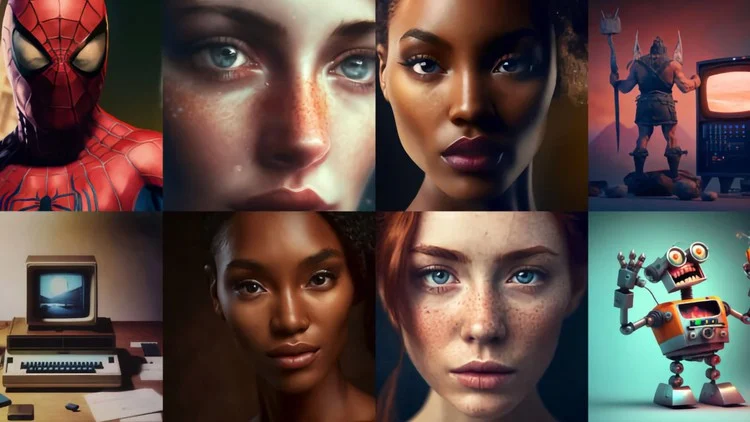
What is the Best AI Image Generators? (As of July 2025)
AI image generator have become indispensable tools for artists, designers, marketers, and researchers, transforming text prompts into vivid visuals in