Choose your path
Kimi K2 Blog
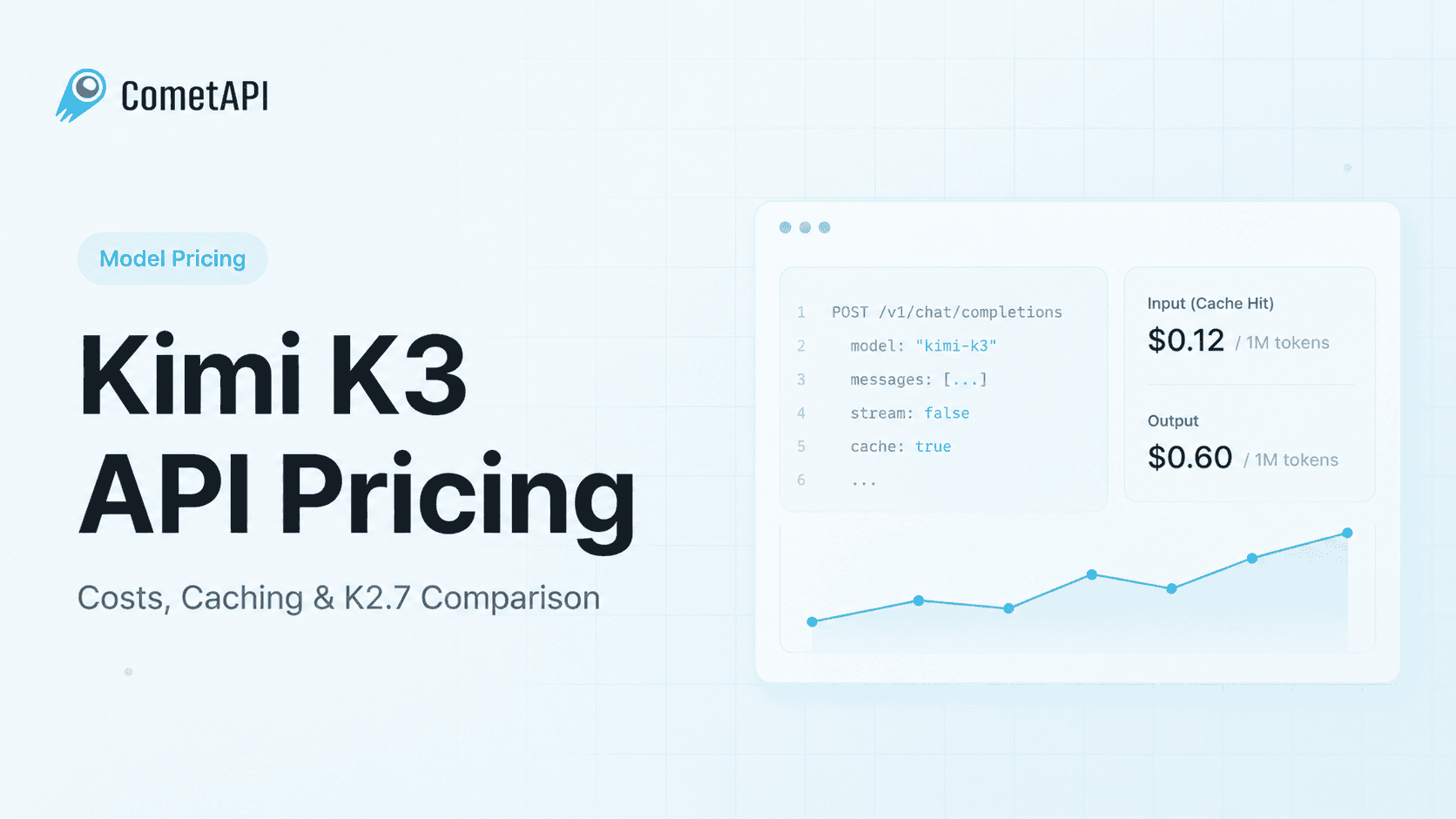
Kimi K3 API Pricing (2026): What it Costs & K2.7 Code Comparison
Kimi K3 API pricing is $0.30 cached input, $3 uncached input, and $15 output per 1M tokens. Compare K3 vs K2.7 Code, caching costs, and upgrade economics.
Is Kimi AI Safe to Use in 2026? A Comprehensive Safety, Privacy, and Security Analysis
Kimi is generally safe for everyday use, but it is not a zero-risk tool. Moonshot AI’s privacy policy says user prompts and uploaded content may be used to improve and train its models, personal information may be shared with service providers and affiliates, and AI output may be inaccurate. For sensitive or regulated workloads, the safer approach is to minimize personal data, use account controls, and route production use through a managed API workflow such as Kimi OpenPlatform or CometAPI with strict data-handling rules.
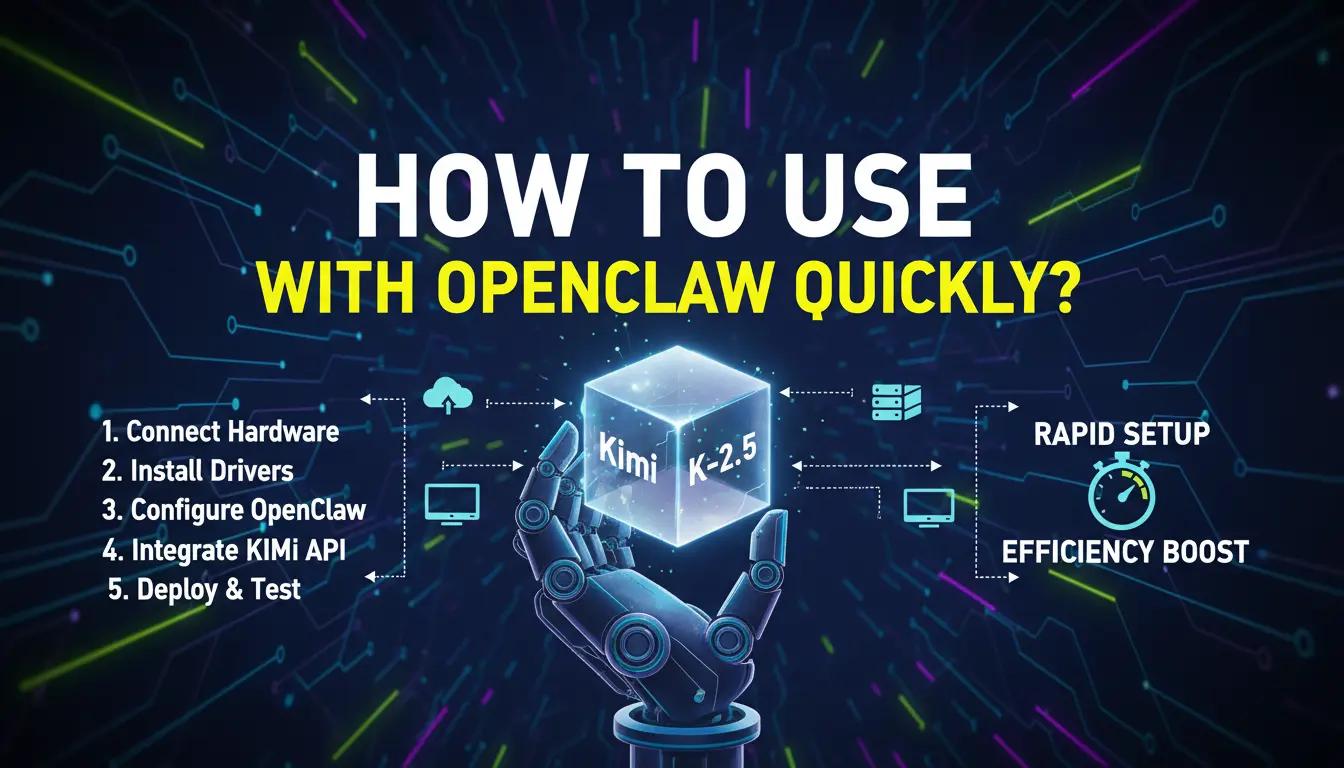
How to Use Kimi K-2.5 with OpenClaw quickly?
Kimi K-2.5 is the newest open-source multimodal, agentic model from Moonshot/MoonshotAI (Kimi family). OpenClaw is a popular self-hosted personal AI assistant/gateway that can run over local models or route to external APIs. This guide explains why you’d connect Kimi K-2.5 to OpenClaw, and gives a step-by-step, ready-to-run walkthrough.
How to Use Kimi K2 Thinking API— a practical guide
Kimi K2 Thinking is the newest agentic reasoning variant in the Kimi K2 family: a large, mixture-of-experts (MoE) model tuned to do sustained, step-by-step

Kimi K2 Thinking API
The model “Kimi K2 Thinking” is a new reasoning-agent variant developed by Moonshot AI (Beijing). It belongs to the broader “Kimi K2” family of large-language
What is Kimi K2 thinking and how to access?
Kimi K2 Thinking is Moonshot AI’s new “thinking” variant of the Kimi K2 family: a trillion-parameter, sparse Mixture-of-Experts (MoE) model that is explicitly
Kimi K2 API
Kimi K2 is a powerful open-source language model with a 128K-token context window, ideal for coding and agentic reasoning, utilizing CometAPI.
How to Use Kimi K2 for free? 3 Ways
Kimi K2 has rapidly emerged as one of the most talked‑about open‑weight Mixture‑of‑Experts (MoE) language models of 2025, offering researchers and developers