Choose your path
Qwen 2.5 Blog
Qwen 2.5: What It Is, Architectural & benchmarks
As artificial intelligence continues to evolve, Alibaba's Qwen 2.5 emerges as a formidable contender in the realm of large language models (LLMs). Released in
Qwen2.5: Features, Deploy & Comparision
In the rapidly evolving landscape of artificial intelligence, 2025 has witnessed significant advancements in large language models (LLMs). Among the frontrunners are Alibaba's Qwen2.5, DeepSeek's V3 and R1 models, and OpenAI's ChatGPT. Each of these models brings unique capabilities and innovations to the table. This article delves into the latest developments surrounding Qwen2.5, comparing its features and performance with DeepSeek and ChatGPT to determine which model currently leads the AI race.

How to access Qwen 2.5? 5 Ways!
In the rapidly evolving landscape of artificial intelligence, Alibaba's Qwen 2.5 has emerged as a formidable contender, challenging established models like
Alibaba’s Qwen : Is It Truly Open Source?
Qwen (Tongyi Qianwen) is a series of large language models (LLMs) and multimodal models developed by Alibaba Cloud, initially launched in beta version in
How to Install Qwen2.5-Omni 7B Locally Using Hugging Face
Qwen2.5-Omni 7B is an advanced multimodal model capable of processing and generating text, images, audio, and video. Developed with cutting-edge techniques,
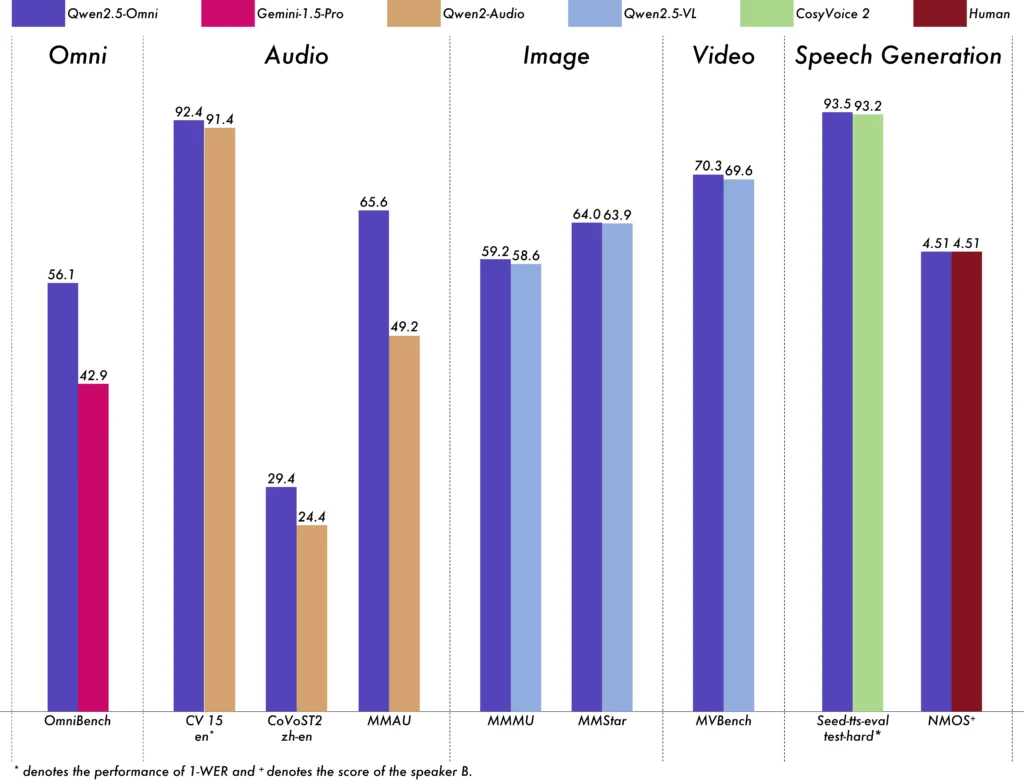
Qwen2.5-Omni-7B API
The Qwen2.5-Omni-7B API provides developers with OpenAI-compatible methods to interact with the model, enabling the processing of text, image, audio, and video inputs, and generating both text and natural speech responses in real-time.
How to Run Qwen2.5-Omni-7B Model: A Comprehensive Guide
Alibaba's recent release of the Qwen2.5-Omni-7B model marks a significant advancement in multimodal artificial intelligence. This model adeptly processes
Qwen2.5-VL-32B: What it is and How to use itLocally
Alibaba's recent release of Qwen2.5-VL-32B-Instruct marks a significant milestone in this domain. This open-source, multimodal large language model (LLM) not only enhances the synergy between vision and language but also sets new benchmarks in performance and usability