Choose your path
kling 3.0 Blog
Kling 3.0 vs Kling 3.0 Omni: Which Is Better?
Compare Kling 3.0 and Kling 3.0 Omni across quality benchmarks, references, consistency, native audio, Multi-Shot, 4K, pricing, and production use cases.
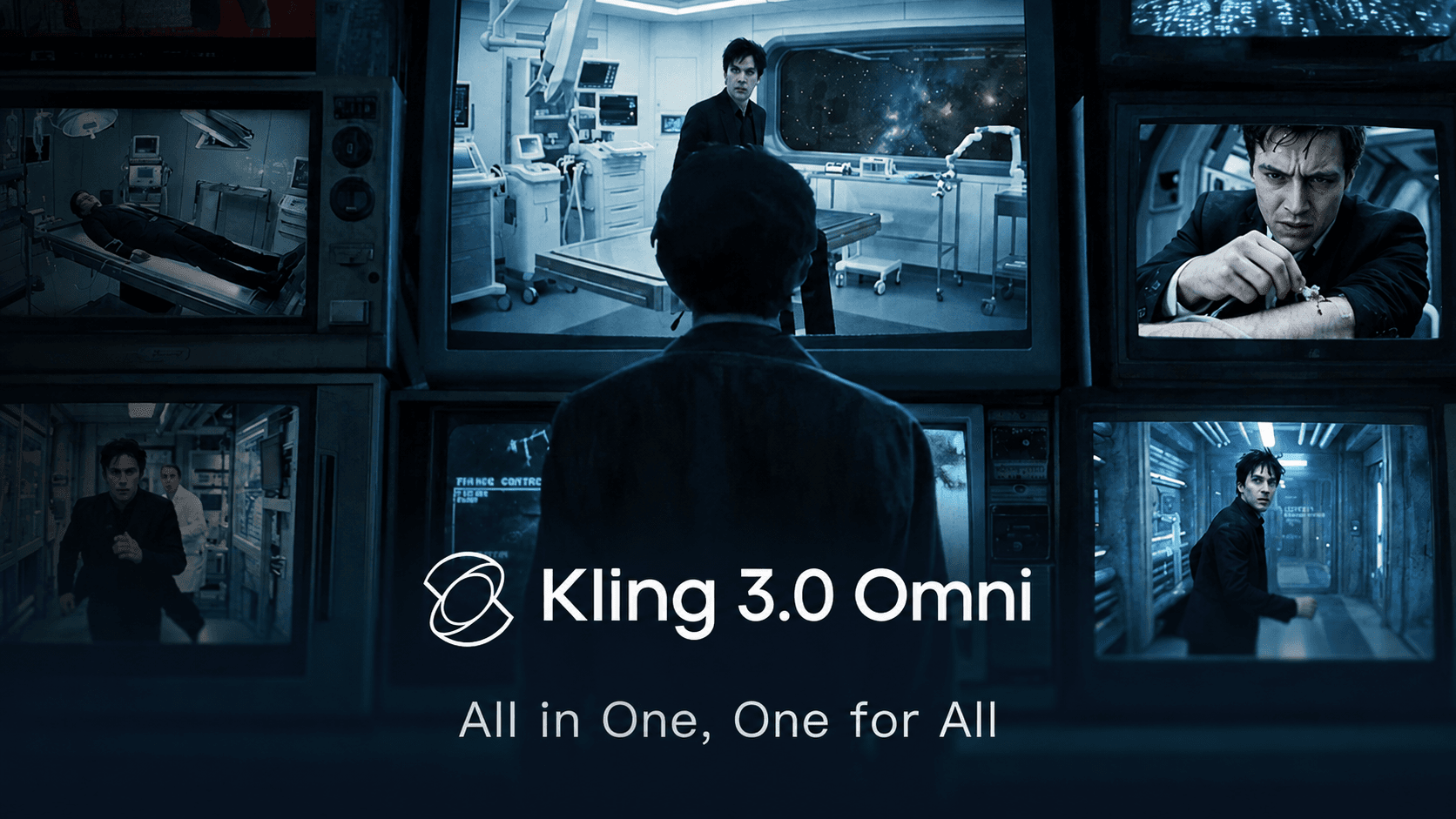
Kling VIDEO 3.0 Omni Model User Guide
Learn how to use Kling 3.0 Omni with reusable elements, native audio, multi-shot storyboards, CometAPI examples, benchmark context, practical cost control.
HappyHorse 1.1 vs Kling 3.0: Which AI Video Model Is Better in 2026?
Choose HappyHorse 1.1 for quality, reference consistency, and short-form production; choose Kling 3.0 for cinematic control and more complex workflows.

How to Use Kling API Without Direct Kling Onboarding: 2026 Guide
Access Kling video models through CometAPI with one API key. Learn the endpoint, async task flow, error handling, and deployment checks.
.webp)
Kling 3.0 vs Veo 3.1: The Ultimate 2026 AI Video Generator Showdown
Kling 3.0 currently leads with native 4K multi-shot storytelling, superior camera control. Veo 3.1 excels in photorealistic physics, native audio synchronization, and Google ecosystem integration, making it ideal for cinematic or enterprise projects. For most users, the winner depends on priorities: Kling 3.0 for speed, consistency, and cost; Veo 3.1 for premium realism and audio.
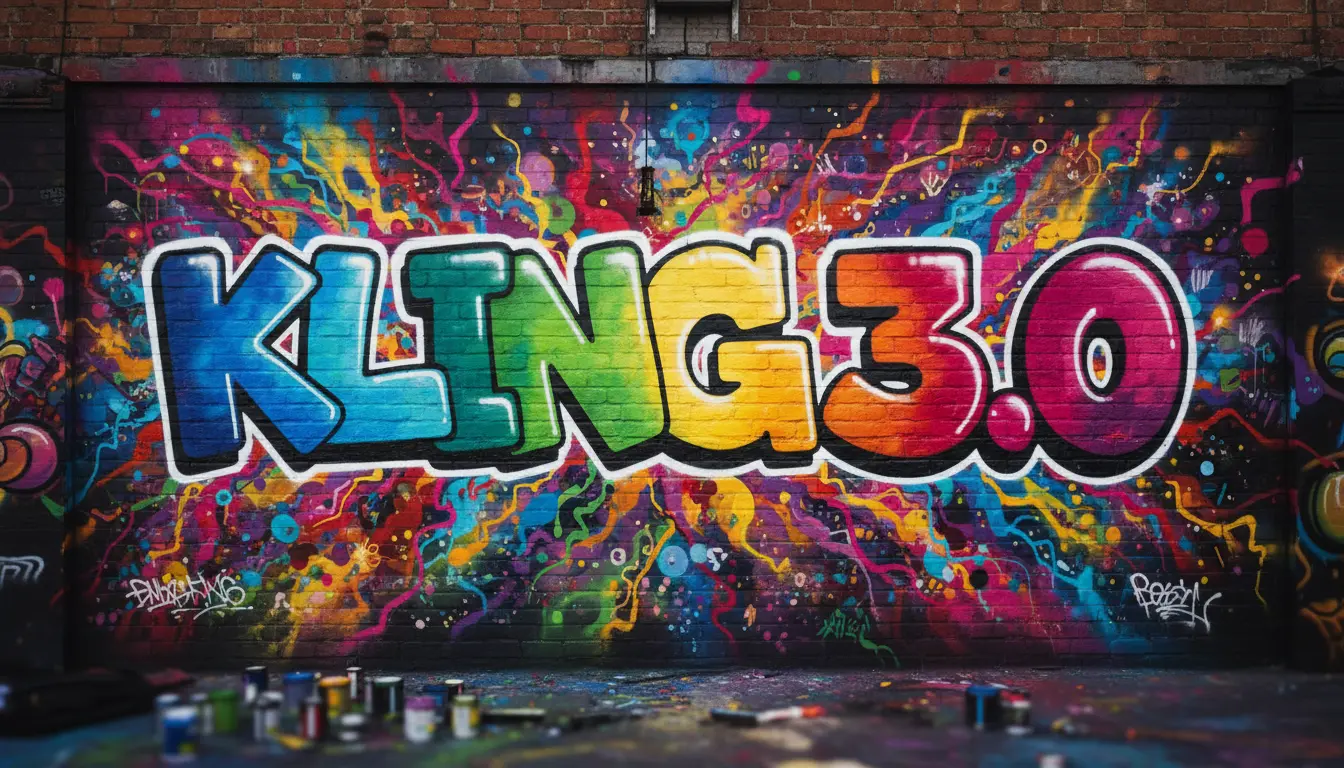
Kling 3.0 Launch: What Changes Will It Have
Kling 3.0 — the next major iteration of the Kling family of AI video models — is generating a surge of interest across creator communities, agencies, and product teams. Vendors and community analysts are describing a generational step: longer outputs, native audio-video synthesis, stronger identity and character preservation across multi-shot sequences, and tighter control for cinematic storytelling.