Choose your path
Kling Blog
What Is Kling 4.0 Flash? Specs, Features, Performance, Release Date and API Access
Explore Kling 4.0 Flash specs, limited release, keyframe restrictions, model comparisons and API access, with confirmed capabilities and rollout limits.
Kling 4.0: The Ultimate Guide to Kuaishou’s 4K AI Video Model (Full Launch October 2026)
Explore Kling 4.0 announced upgrades: 8,000-token prompts, 30-second video, stereo audio, keyframes, and the access checks developers need before rollout.
Kling 3.0 vs Kling 3.0 Omni: Which Is Better?
Compare Kling 3.0 and Kling 3.0 Omni across quality benchmarks, references, consistency, native audio, Multi-Shot, 4K, pricing, and production use cases.
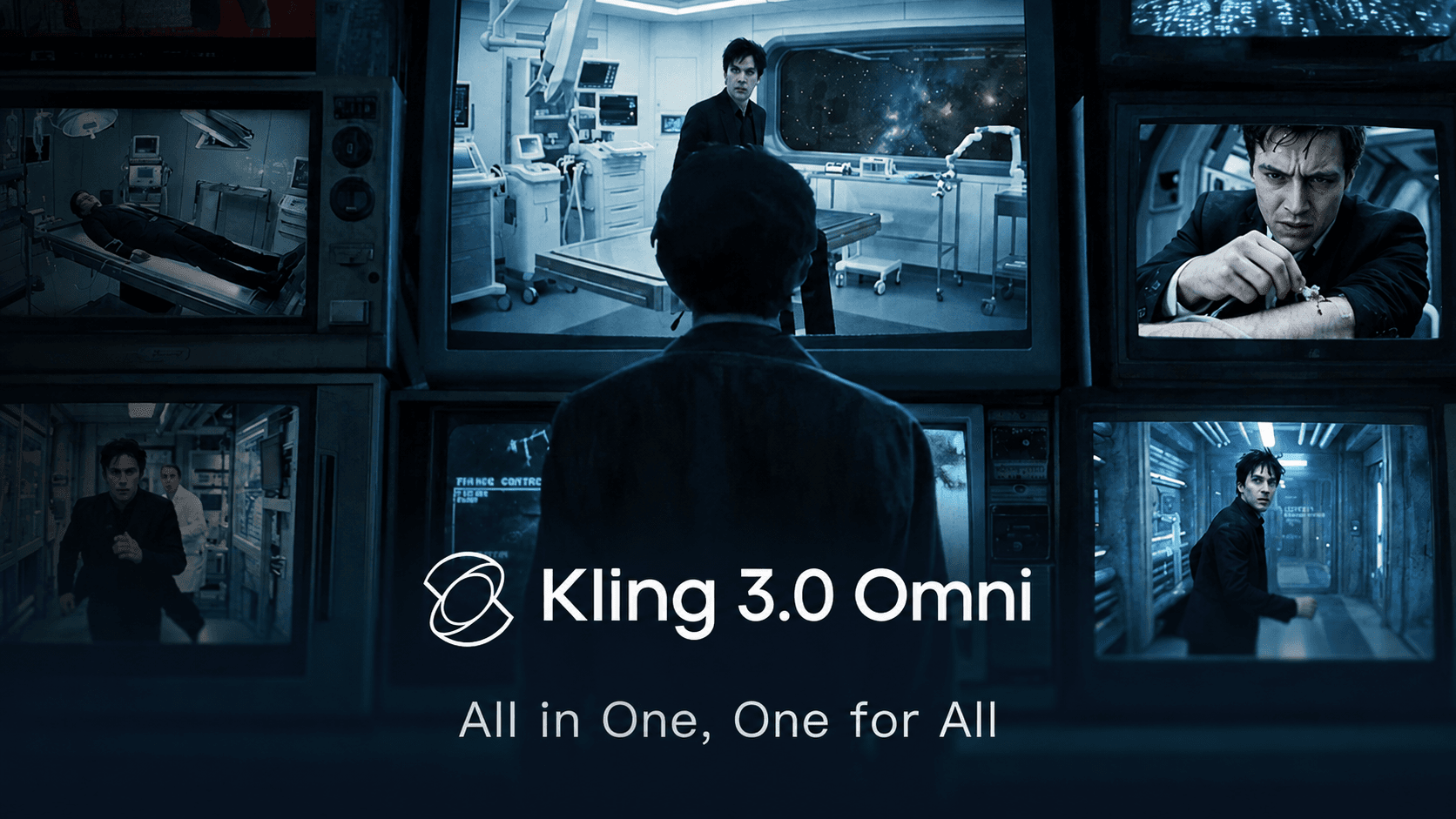
Kling VIDEO 3.0 Omni Model User Guide
Learn how to use Kling 3.0 Omni with reusable elements, native audio, multi-shot storyboards, CometAPI examples, benchmark context, practical cost control.
HappyHorse 1.1 vs Kling 3.0: Which AI Video Model Is Better in 2026?
Choose HappyHorse 1.1 for quality, reference consistency, and short-form production; choose Kling 3.0 for cinematic control and more complex workflows.
How to Use Kling API Without Direct Kling Onboarding: 2026 Guide
Access Kling video models through CometAPI with one API key. Learn the endpoint, async task flow, error handling, and deployment checks.
CometAPI vs Kie.ai: Full Feature & Pricing Comparison
CometAPI vs Kie.ai: Deciding between CometAPI and Kie.ai? Compare model coverage, Midjourney API. Available via CometAPI — single key, OpenAI-compatible.
Best Kie.ai Alternatives in 2026: Developer's Comparison
Best Kie.ai Alternatives in 2026: Looking for a Kie.ai alternative? We compared CometAPI, fal.ai, WaveSpeedAI, evolink.ai. Available via CometAPI.