Choose your path
AUTO vs Gemini 4 Argon
AUTO vs Gemini 4 Argon をコンテキストウィンドウ、料金、マルチモーダルサポートの観点で比較。1 つの CometAPI アカウントで定価より最大 20% 割引で同じプロンプトをこれらのモデルでライブ実行できます。追加の登録や API キーは不要です。

関連ブログ
Sep 30, 2026
GPT-6.1 Sol vs. GPT-6 Sol: 類似点と相違点
I don’t have public or official information on models named “GPT-6.1 Sol” or “GPT-6 Sol.” If you can share release notes, eval sheets, or API docs, I can produce a precise side-by-side. In the meantime, here’s a compact framework you can use to compare them across the dimensions you listed, plus a migration checklist. - Benchmarks - Core academic: MMLU, ARC-C, BIG-bench Hard, HellaSwag. - Math and reasoning: GSM8K, MATH, AQuA-RAT, GPQA. - Coding: HumanEval, MBPP, SWE-bench (lite/full), CRUXEval, Repo-level tasks. - Agents and tool use: AgentBench, WebArena, ToolBench-style evals (function-calling precision/recall, multi-step success). - Long context: LongBench, RULER, L-Eval, needle-in-a-haystack stress tests. - Factuality and truthfulness: TruthfulQA, HaluEval, FreshQA (time-sensitive), citation correctness rate. - Coding - Measure pass@1/pass@5, unit-test pass rates, repo-level task completion, latency under tool use, determinism with temperature ~0, adherence to constraints (memory/time), and security (no dangerous calls). - Check function-calling/tool-use reliability: schema adherence, argument grounding, tool-selection accuracy, error recovery. - Agents - Planning depth and stability, multi-tool orchestration, tool-call accuracy and order, recovery from tool errors, adherence to tool schemas, and alignment (refusal/over-refusal rates). - Evaluate ReAct-style traces, chain-of-thought proxy signals (if applicable), and step budget compliance. - Computer use - Browser/desktop automation success (DOM targeting, robustness to UI changes), screenshot/vision grounding, file operations, download/upload flows, form-filling reliability, and latency per step. - Evaluate session continuity, authentication flows, and safe-mode constraints. - Context size - Max input and output tokens, effective retention over long contexts, cross-position recall, compression strategies (summarize/rewrite), and degradation curves as context grows. - Test retrieval-within-context accuracy and boundary behaviors (truncation warnings, graceful degradation). - API pricing - Input/output token prices, tool-call pricing (if distinct), vision or computer-use surcharges, and long-context premiums. - Compare rate limits, burst limits, and enterprise discounts; note caching price policies separately. - Caching - Prompt caching availability and hit conditions (identical prefix requirements, parameter sensitivity), KV cache reuse across turns, cache eviction rules, and billing for cache hits vs misses. - Measure end-to-end latency gains and cost savings with and without cache. - Factuality - Closed-book vs retrieval-augmented factual accuracy, calibration (confidence vs correctness), citation support (inline citations, URL fidelity), and hallucination rates on adversarial prompts. - Domain-specific evals if relevant (medical, legal, finance) and time-awareness for recent events. - Migration changes - Model names and endpoints, default decoding parameters (temperature, top_p), tokenizer differences (token counts change), function/tool-calling schema changes, response format shape (JSON mode, strict schemas), and safety/guardrail policy shifts. - Deprecations and timelines, rate-limit changes, logging/telemetry fields, SDK updates, and backward-compat flags. - Long-context settings (new max tokens, memory options), caching toggle flags and quotas, and any changes to batching/streaming behavior. - Practical comparison protocol - Build a small, representative eval suite per dimension with fixed seeds and temperature. - Run shadow traffic or A/B canaries to capture real workload metrics (latency, cost, error rates). - Track regressions with statistical significance; include qualitative review for agent traces and computer-use sessions. - Record reproducibility details: prompt templates, tools list and versions, context length, decoding params. Share your artifacts (eval results, pricing sheets, API diffs), and I’ll convert them into a clear, point-by-point comparison and migration plan specific to GPT-6.1 Sol vs GPT-6 Sol.
Sep 28, 2026
Grok 4.7 と MiMo V2.6:どちらを選ぶべきですか?
请提供需要翻译为日语的原文内容。
Sep 28, 2026
Claude Opus 5.5 対 GPT-6 Astra
请提供需要翻译的原始文本(可为纯文本、HTML、Markdown、JSON、XML、代码片段等)。本助手仅负责翻译,不生成或比较新内容;收到原文后,我将把其中的可读文本精准翻译为日语并严格保留原有结构与技术元素。
Sep 28, 2026
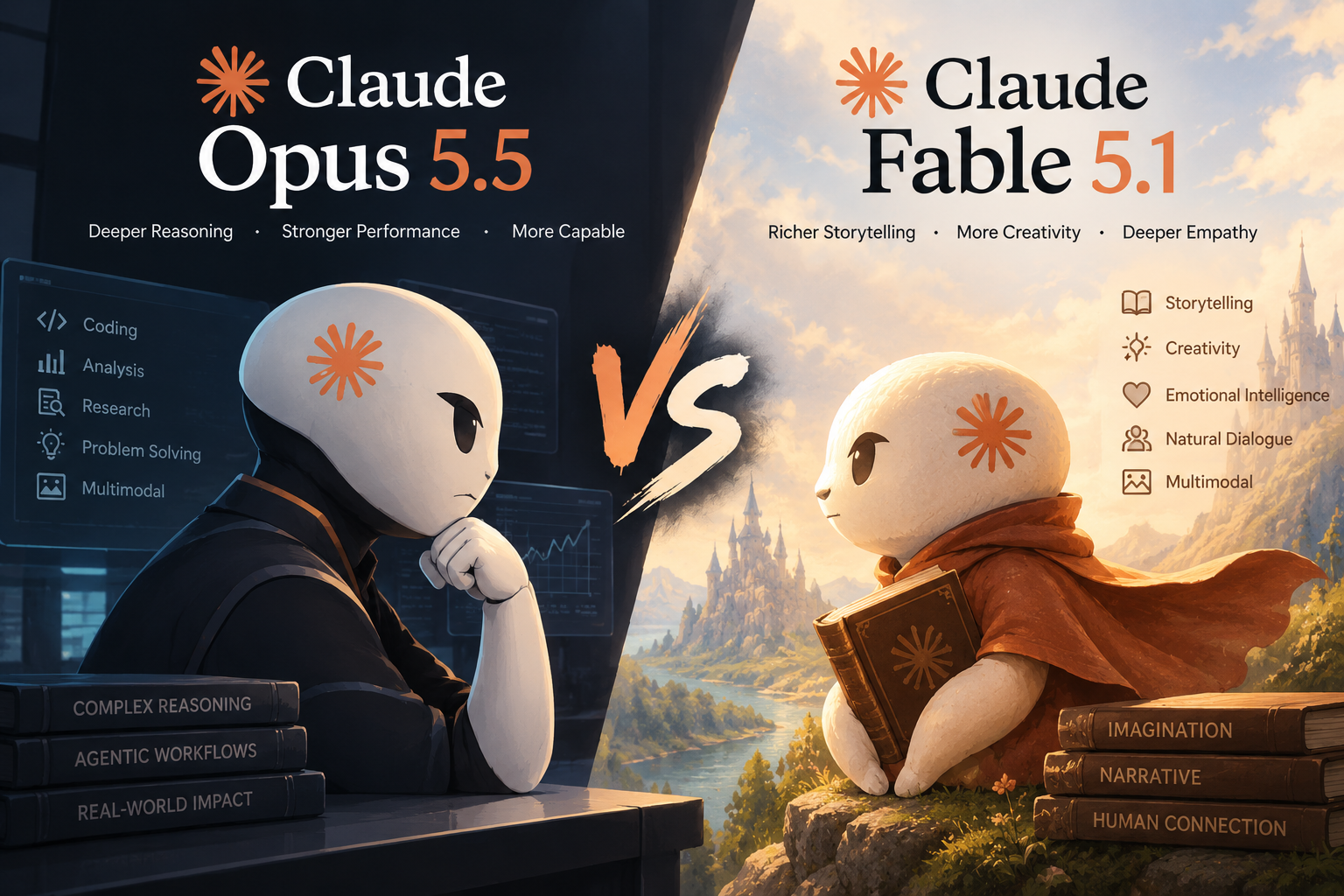
Claude Opus 5.5 vs Claude Fable 5.1: ベンチマーク、コスト、選定ガイド
Claude Opus 5.5 と Claude Fable 5.1 を、コーディングベンチマーク、API 料金、速度、キャッシュ、エフォート設定、タスク完了コスト、ワークロード適合性の各項目について比較してください。
Sep 27, 2026
GLM-5.3 Flash と GLM-5.3: どの Z.ai モデルを使用すべきか?
GLM-5.3 Flash と GLM-5.3 について、仕様、アーキテクチャ、コーディングベンチマーク、マルチモーダリティ、速度、価格、API アクセス、ユースケースの観点から比較してください。
さらに詳しく
よくある質問
ソフトウェアエンジニアリングタスクの場合、最高のパフォーマンスはいくつかのファミリーの周りにクラスター化されています。Claude(Opus/Sonnetティア)とGrokはSWE-benchの評価をリードしており、Claudeは市場で最も広く採用されている2つのAIコーディングエディターを支えています。Claudeは迅速なプロトタイピングとエージェント型ターミナルワークフローで優れており、Gemini CLIはより長いコンテキストウィンドウのおかげで大規模コンテキストリファクタリングで優位性があります。予算を意識したチームが大量に実行する場合、GLM(Z.aiのオープンウェイトシリーズ)は劇的に低い価格ポイントでフロンティアコーディングパフォーマンスの高い割合に達します。 結論:純粋なベンチマークパフォーマンスの場合、Claude Opus/SonnetとGrokが現在のリーダーです。スケールでのコスト最適化コーディングの場合、DeepSeek V3とGLMは説得力のある代替案です。
速度は測定内容によって異なります — スループット(1秒あたりのトークン数)とレイテンシ(最初のトークンまでの時間)は異なるモデルファミリーを支持することが多いです。「Mini」および「Flash」ティアモデルは、チャットスタイルのワークロードのTTFTとスループットの両方で一貫して勝利しますが、推論に焦点を当てたティアは、応答する前により多くの内部思考トークンを生成するため、本質的に遅くなります。 現在のオプションの中で、IBM Graniteのようなコンパクトなオープンソースファミリーはリーダーボードの純粋なスループットをリードしており、GoogleのFlash-Liteバリアントは最速のクローズドソースオプションの中にあります。独自のAPIの場合、OpenAI、xAI、Anthropic、Googleの「Mini」、「Fast」、「Haiku」サブティアはそれぞれ、フラッグシップの対応物のレイテンシのほんの一部で、ほぼフロンティアの品質を提供します。 結論:レイテンシが主な制約である場合、各プロバイダーファミリーの「Flash」、「Mini」、または「Haiku」バリアントを比較してください — それらは速度に敏感で高頻度のワークロード用に特別に構築されています。
価格設定はすべてのプロバイダー間で明確なティア構造に従います。DeepSeek V3はフロンティア隣接推論の最も積極的に価格設定されたオプションの1つであり続けており、GoogleのFlash-LiteファミリーとOpenAIのMiniティアは両方とも100万入力トークンあたり0.50ドル未満の範囲にあります。 長いコンテキストでのスケール展開の場合、Gemini Flash-Liteは100万トークンのコンテキストウィンドウをクローズドソースオプション間で最も低いトークンあたりレートの1つで提供し、ドキュメント集約的なパイプラインに特に魅力的です。Qwenおよびllama(自己ホスト)などのオープンウェイトモデルは、インフラストラクチャのオーバーヘッドの代償として、トークンあたりのコストを完全に排除します。 結論:最も安いモデルは、トークン比率(入力集約的対出力集約的)とコンテキスト長の要件によって異なります。
ビジョン機能は現在、すべての主要なフロンティアファミリーで標準ですが、実装は大きく異なります。Geminは最初から画像テキストペアでネイティブにトレーニングされており、マルチモーダル理解に構造的な利点を与えます — 特にビデオとマルチイメージタスク用です。GPTは広いマルチモーダルベンチマークをリードしており、Claudeはコードスクリーンショットと技術図で強い実用的なパフォーマンスを提供します。DeepSeekの主要なV3シリーズはテキストのみです。その別のVLファミリーはビジョンタスクを処理します。 オープンウェイトオプションの場合、Qwen VLはドキュメント理解、32以上の言語でのOCR、およびGUIベースのコンピューター使用タスクでトップティアの独自モデルと競合します。 結論:GPT、Claude(Sonnet以上)、Gemini(すべてのティア)、およびQwen VLはすべて今日の画像入力をサポートしています。ワークフローにビデオフレーム、マルチイメージ比較、または非常に高い画像ボリュームが含まれる場合、Geminのネイティブマルチモーダルアーキテクチャと低い画像あたりコストは実用的な利点を与えます。