OpenAI
熱門
20% 優惠
O
Text 生成
GPT-6 Luna
gpt-6-luna
Text 模型熱門image-to-textpdf-to-texttext-to-text
GPT-6 Luna(gpt-6-luna)是 OpenAI 的高效 GPT-6 模型,適用於聚焦型與大量工作負載。OpenAI 在 GPT-6 系列中將 Luna 定位於 GPT-6 Sol 之下,強調效率、可重複性與成本敏感的生產用途。
起價
$0.1$0.08/1M tokens
Choose your path
GPT-6 Luna(gpt-6-luna)是 OpenAI 的高效 GPT-6 模型,適用於聚焦型與大量工作負載。OpenAI 在 GPT-6 系列中將 Luna 定位於 GPT-6 Sol 之下,強調效率、可重複性與成本敏感的生產用途。
GPT-6.1 Sol 是屬於 GPT-6.1 系列的 OpenAI 模型,旨在處理複雜程式設計、電腦操作與專業工作。
GPT-6 Sol(gpt-6-sol)是一款 OpenAI 的 GPT-6 推理模型,專為複雜程式編寫、智能體工作流程與高要求的知識型工作而設計。OpenAI 將其描述為一款面向複雜程式編寫與智能體工作流程的模型,具備自適應推理、長上下文處理能力、圖像輸入,並可透過 Responses API 存取廣泛的工具集。

GPT Image 2 是 OpenAI 最先進的圖像生成模型,用於快速、高品質的圖像生成與編輯。它支援彈性的圖像尺寸與高保真圖像輸入。
GPT-4o mini TTS 是一款神經網路文字轉語音模型,旨在於面向使用者的應用程式中實現自然、低延遲的語音生成。它可將文字轉換為自然聽感的語音,提供可選語音、多種格式輸出與串流合成,帶來反應迅速的體驗。典型用例包括語音助理、IVR 與聯絡流程、產品內容朗讀與媒體旁白。技術亮點包括基於 API 的串流,以及匯出為 MP3 與 WAV 等常見音訊格式。
An Ada-based text embedding model optimized for various NLP tasks.

GPT Image 2 ALL 是一款全方位的圖像生成模型,旨在處理各種創意與專業的視覺任務。它結合高品質的圖像生成、先進的提示理解,以及多元的風格支援,能在多樣化的應用場景中提供卓越成果。
A small text embedding model for efficient processing.
O3 是由 OpenAI 提供的人工智慧模型。
探索 o1-pro-2025-03-19 API。
A large text embedding model for a wide range of natural language processing tasks.
O1-pro is an artificial intelligence model provided by OpenAI.
gpt-5.2-pro 是 OpenAI 的 GPT-5.2 系列中能力最強、面向生產環境的成員,透過 Responses API 對外提供,用於需要最高保真度、多步推理、廣泛的工具使用,以及 OpenAI 所提供的最大上下文/吞吐量配額的工作負載。
O1 is an artificial intelligence model provided by OpenAI.
gpt-oss-20b 是由 cloudflare-workers-ai 提供的人工智慧模型。
GPT-4o mini Audio Preview 是一款用於構建會話式音訊應用的輕量多模態模型。它在文字之外同時支援語音輸入與輸出,從而實現語音辨識、語音合成,以及文字與音訊混合對話,並透過工具/函式呼叫執行結構化操作。典型用例包括語音助理、附帶摘要的串流式轉錄、IVR 與呼叫機器人工作流程,以及具備音訊功能的應用程式內助理。技術亮點包括音訊 I/O、串流回應、指令遵循,以及透過聊天與工具 API 的整合。
gpt-oss-120b 是由 cloudflare-workers-ai 提供的人工智慧模型。
一種先進的 AI 模型,用於根據文字描述生成圖像。
GPT-4o mini 是由 OpenAI 提供的人工智慧模型。
GPT-4o 是 OpenAI 最先進的多模態模型,比 GPT-4 Turbo 更快且更便宜,並具備更強的視覺能力。此模型具有 128K 的上下文長度,知識截止於 2023 年 10 月。1106 系列及以上的模型支援 tool_calls 和 function_call。此模型支援的最大上下文長度為 128,000 tokens。

探索 gpt-oss-20b(free) API。
GPT-4o mini Realtime Preview 是一款用於互動式語音與視覺體驗的即時多模態模型。它支援串流式輸入與輸出,可處理語音、文字與圖片,並能透過工具/函式呼叫執行實際操作。典型用例包括語音助理、即時通話處理、即時字幕,以及針對相機或螢幕內容的視覺問答。技術亮點包括雙向音訊、視覺理解、串流式回應,以及透過函式產生的結構化輸出。
GPT-4.1 nano 是由 OpenAI 提供的人工智慧模型。 gpt-4.1-nano: 具備更大的上下文視窗—支援最多 1 million 個上下文 token,並能透過改進的長上下文理解更好地利用該上下文。 知識截止時間更新為 2024 年 6 月。 此模型支援的最大上下文長度為 1,047,576 個 token。
GPT-4.1 mini 是由 OpenAI 提供的人工智慧模型。gpt-4.1-mini:在小型模型效能上實現重大躍進,在許多基準測試中甚至超越 GPT-4o。它在智慧評估上達到或超越 GPT-4o,同時將延遲降低近一半,成本降低 83%。此模型支援的最大上下文長度為 1,047,576 個 token。
New version of DALL-E for image generation.
即將推出
GPT-5.1 是一款通用的指令微調語言模型,專注於跨產品工作流程的文本生成與推理。它支援多輪對話、結構化輸出格式,以及以程式碼為導向的任務,例如撰寫、重構與說明。典型用例包括聊天助理、檢索增強式問答、資料轉換,以及在支援的情況下透過工具或 API 進行代理式自動化。技術亮點包括以文本為中心的模態、指令遵循、JSON 風格輸出,以及與常見編排框架中的函式呼叫相容。
GPT-4.1 是由 OpenAI 提供的人工智慧模型。gpt-4.1-nano:具備更大的上下文視窗—支援多達 1 million 個上下文 token,並能透過改進的長上下文理解更好地利用該上下文。知識截止時間已更新為 2024 年 6 月。此模型支援的最大上下文長度為 1,047,576 個 token。
探索 o1-2024-12-17 API。
GPT-5.4 Mini 是一款輕量且高效的 AI 模型,針對速度與日常生產力進行最佳化。它在維持低延遲與低資源使用的同時,提供可靠的對話能力、內容生成與任務協助。
GPT-Image-1.5 是 OpenAI 的 GPT Image 系列中的圖像模型。它是一個原生多模態的 GPT 模型,旨在根據文字提示生成圖像,並在嚴格遵循使用者指示的同時對輸入圖像進行高保真編輯。

探索 GPT Image 2.5(sunburst) API。
ChatGPT 所使用的 GPT-5.3 Instant 模型
即將推出
GPT-4o mini Audio 是一個用於語音與文字互動的多模態模型。它能執行語音辨識、翻譯與文字轉語音,遵循指令,並能呼叫工具以進行結構化操作,提供串流式回應。典型用途包括即時語音助理、即時字幕與翻譯、通話摘要,以及語音控制的應用程式。技術亮點包括音訊輸入與輸出、串流回應、函式呼叫,以及結構化 JSON 輸出。
GPT-5 Nano 是由 OpenAI 提供的人工智慧模型。
GPT Image 1 的成本優化版本。它是一款原生多模態語言模型,可接受文字與影像輸入,並產生影像輸出。
GPT-4o Transcribe 是一款用於多語言、低延遲語音辨識的語音轉文字模型。它支援即時串流與批次轉錄,能從常見音訊格式產生帶有標點與句子切分的轉錄結果。典型用途包括即時字幕、語音助理輸入、會議筆記,以及媒體或通話錄音的轉錄。技術亮點包括音訊模態支援、長篇內容處理,以及適用於互動式與伺服端工作流程的 API。
探索 omni-moderation-2024-09-26 API。

coming soon
GPT-5 mini 是 OpenAI 針對成本與延遲優化的 GPT-5 系列成員,旨在以顯著更低的成本,為大規模生產使用提供 GPT-5 在多模態與指令遵循方面的絕大部分優勢。它面向以吞吐量、可預測的每 token 定價與快速回應為主要約束的環境,同時仍提供強大的通用能力。
GPT-6 Astra,是用於複雜推理與程式編寫的旗艦模型。選擇 GPT-5.6 Terra,以平衡智慧與成本,
GPT-Realtime-2 是我們最強大的即時語音模型。它支援語音對語音的互動,提供可調整的推理強度、更強的指令遵循能力,以及在複雜語音代理工作流程中更可靠的工具使用。
探索 omni-moderation-latest API。
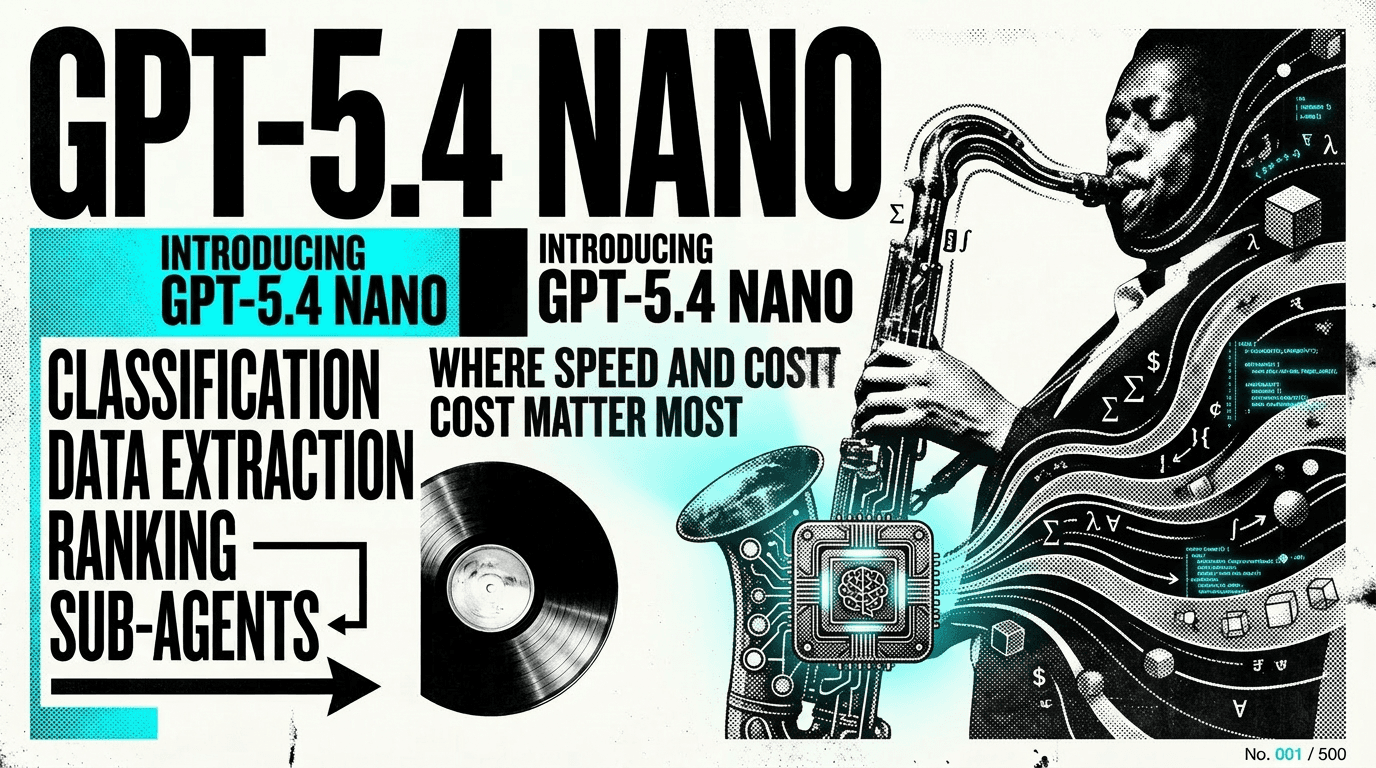
GPT-5.4 Nano 是一款為實現最高速度與效率而打造的超輕量級 AI 模型。它針對簡單任務、即時互動,以及在需要低延遲與最小資源消耗的大規模部署方面進行了最佳化。
探索 tts-1-hd-1106 API。
gpt-4o-image 可生成圖像作為輸出,並可選擇使用圖像作為輸入。
Sora 2 Pro 是我們最先進且最強大的媒體生成模型,能生成帶有同步音訊的影片。它可以從自然語言或圖像創建細節豐富、動態的影片片段。
GPT-5.4 是面向複雜專業工作的前沿模型。Reasoning.effort 支援:none(預設)、low、medium、high 和 xhigh。
GPT-5.4 Pro 是一款為專業與商務應用設計的高效能 AI 模型。它在內容創作、程式設計、研究與資料分析等任務上,提供強大的推理能力、可靠的準確性與高效的執行效率。
搭配 Chat Completions 進行音訊輸入、音訊輸出的最佳語音模型。
O4-mini 是由 OpenAI 提供的人工智慧模型。

超強大的影片生成模型,具備音效,支援對話格式。
GPT-5 是 OpenAI 迄今為止最強大的程式碼模型。它在複雜前端生成與大型程式碼庫的偵錯方面有顯著提升。它能以直觀且具美感的成果將想法化為現實,只需一則提示即可打造優美且響應式的網站、應用程式與遊戲,並展現敏銳的美學感知。早期測試者也注意到其設計選擇,對於間距、字體排印與留白等元素有更深刻的理解。
GPT-5.2 是一個多版本的模型系列(Instant、Thinking、Pro),專為更佳的長上下文理解、更強的程式設計與工具使用能力,以及在專業「知識工作」基準測試中取得實質更高的表現而設計。

探索 GPT Image 2.5 Flare API。

GPT-5.5 Pro 結合了最先進的智慧、精準與效率,應對複雜的挑戰。從軟體開發與資料分析到研究與決策支援,它以快速且一致的表現提供專家級協助。
探索 tts-1-1106 API。
GPT-Realtime-2.1 updates GPT-Realtime-2 with improved alphanumeric recognition, silence and noise handling, and interruption behavior. It supports speech-to-speech interactions with configurable reasoning effort, instruction following, and tool use for complex voice-agent workflows.
語音轉文字,生成翻譯
O3-mini 是由 OpenAI 提供的人工智慧模型。
.jpeg&w=3840&q=75)
Model 5.5 是一款新一代 AI 模型,旨在於各種任務中提供更強的推理能力、更快的回應,以及更高的準確性。它擅長理解複雜指令、生成高品質內容,並協助進行程式開發、分析與問題解決。
OpenAI o3‑pro 是 o3 推理模型的「pro」變體,經過工程化設計,以進行更長程的思考並輸出最可靠的回應,藉由採用私有思維鏈強化學習,並在科學、程式設計與商業等領域樹立全新的最先進基準——同時可在 API 中自主整合如網路搜尋、檔案分析、Python 執行與視覺推理等工具。
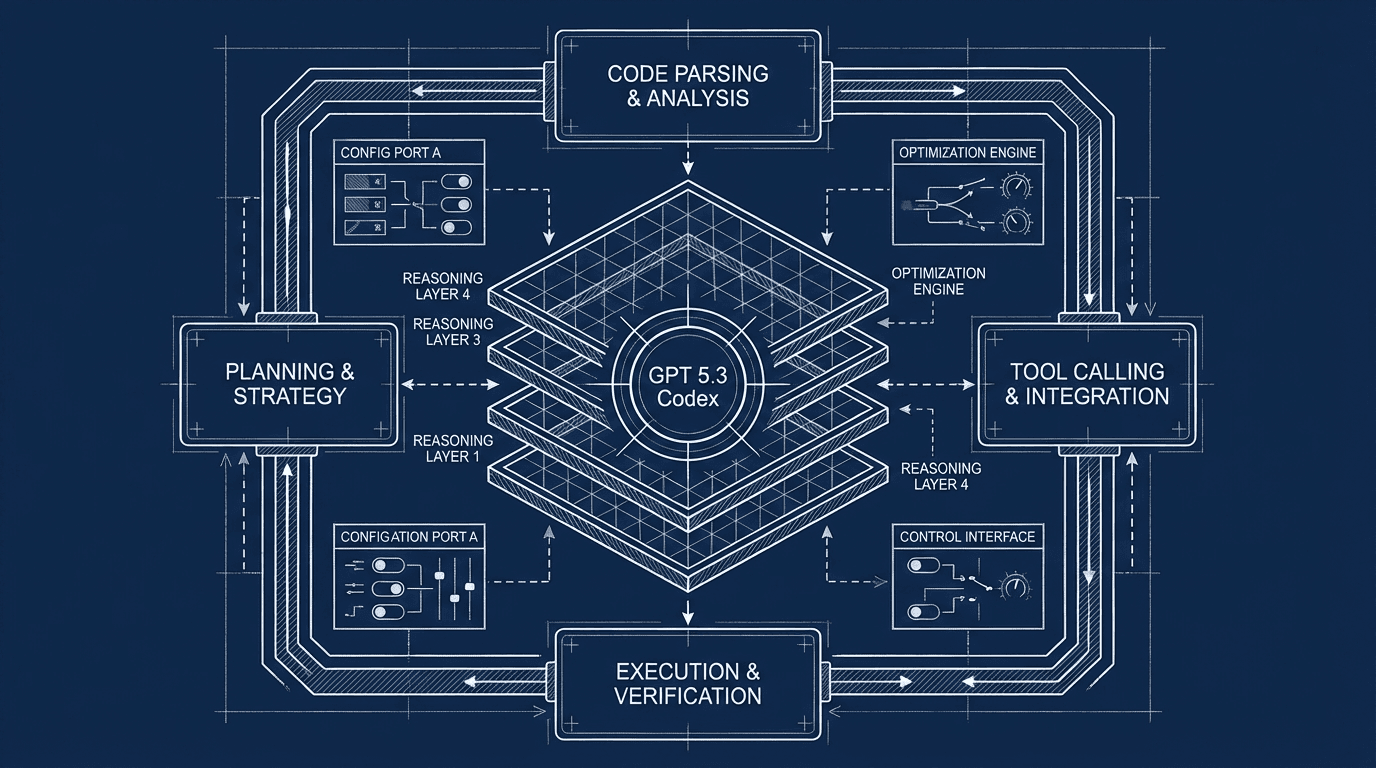
GPT-5.3-Codex 針對在 Codex 或類似環境中的代理式程式設計任務進行了優化。GPT-5.3-Codex 支援低、中、高與超高的推理強度設定。
探索 tts-1-hd API。
探索 tts-1 API。

針對複雜推理與程式設計,先選用 GPT-5.6 Sol;若需在智慧與成本之間取得平衡,選擇 GPT-5.6 Terra;或在成本敏感、工作負載量大的情境下使用 GPT-5.6 Luna。

用於音訊輸入、音訊輸出的最佳語音模型。
OpenAI 文字轉語音